

Engineered
performance
and luxury.
Skincare built on TDA Logic, not 1940s HLB logic.
New brand? We design your first formula free. TDA Logic designs particle size, stabilisation and the domains each ingredient self-partitions into, so the formula itself carries the performance.
Free for qualifying new brands. Making it requires NanoBase™, supplied by Pensive Beauty®. Bench work quoted separately.
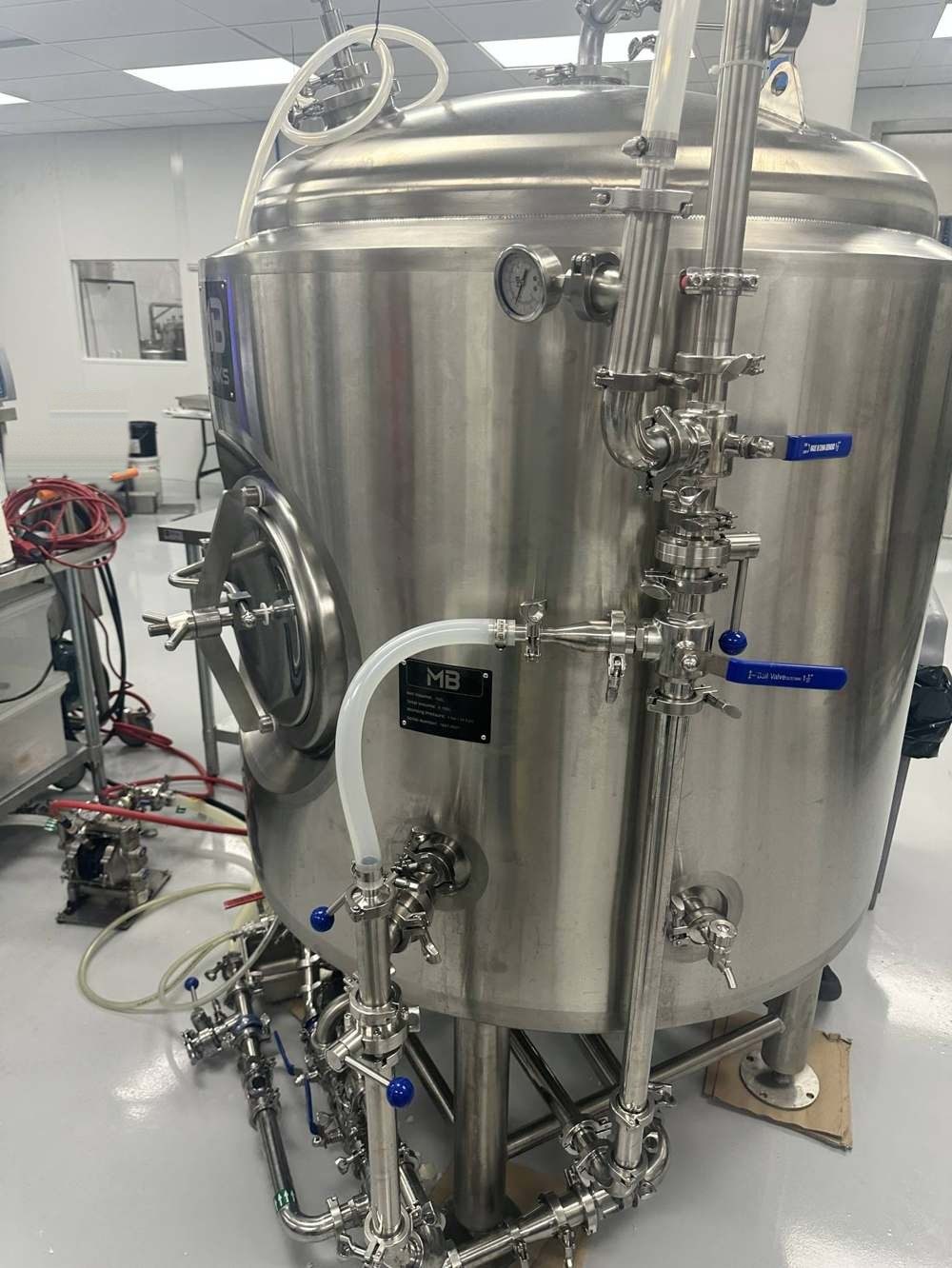
in our own nanoscience lab
Electrostatic stabilisation · three domains
Your first formula, designed free
For qualifying new brands, on TDA Logic.
Formulated on TDA Logic
Custom formulation and HLB-to-TDA Logic conversion, under NDA.
Nano-colloidal formulas. Zero CapEx.
Completed on the equipment you already run.
Tools, training and supply
For independent formulators and consultants.
Samples and ingredient evaluations
Request samples, or test your ingredient in finished formulas.
Get your first formula designed free.
Tell us what you want to make. The lab replies the same day. Free for qualifying new brands.
We use these details only to reply to your enquiry. Please don't send confidential formula details until a mutual NDA is in place. See our Privacy Policy.
Established brand, manufacturer or supplier? Use the project form.
508-206-6500
Seffner, Florida
The lab replies the same day, 9 am to 9 pm EST, 7 days a week.
One reason brands, manufacturers and formulators build with us: performance & luxury by design. TDA Logic, the successor design logic to 1940s HLB logic, specifies particle size, electrostatic stabilisation and three domains your ingredients self-partition into.
NanoBase™ is the Architecture engineered to TDA Logic (Tri-Domain Architecture logic), which our lab defined in 2025. On it, your team selects no emulsifier: the emulsification is already built into the Architecture. HLB has been the default for more than 75 years. That is long enough.
Your formula on paper, free. Everything else in writing first.
Free formula design for qualifying new brands: your formula designed on NanoBase™ plus an 8 to 14 page executive summary. You own the finished formula once development is paid, under our Terms. Making it requires NanoBase™, supplied by Pensive Beauty®.
Lab development is quoted in writing after your free formula design, before you commit to anything. NanoBase™ per-unit cost is itemised in your written quote.
Start my free formula designFrom idea to first sample.
Tell us the product. A 2-minute form.
A 15-minute Zoom with the lab.
Your formula on paper, free.
Lab development, quoted in writing.
Your first sample from the lab.
Manufacture with any qualified contract manufacturer.
Most skincare creams, lotions & serums are designed with HLB, a 1949 method for choosing emulsifiers so oil and water stay mixed in the jar.
TDA Logic designs more: a particle size we measure on every batch, a surface charge designed to keep particles apart, and three domains, by design specification, for oil-loving and in-between ingredients, inside a water phase that holds the water-loving ones. NanoBase™, the Architecture engineered to TDA Logic, arrives with that structure built, and your finished formula is mixed at room temperature on standard equipment.
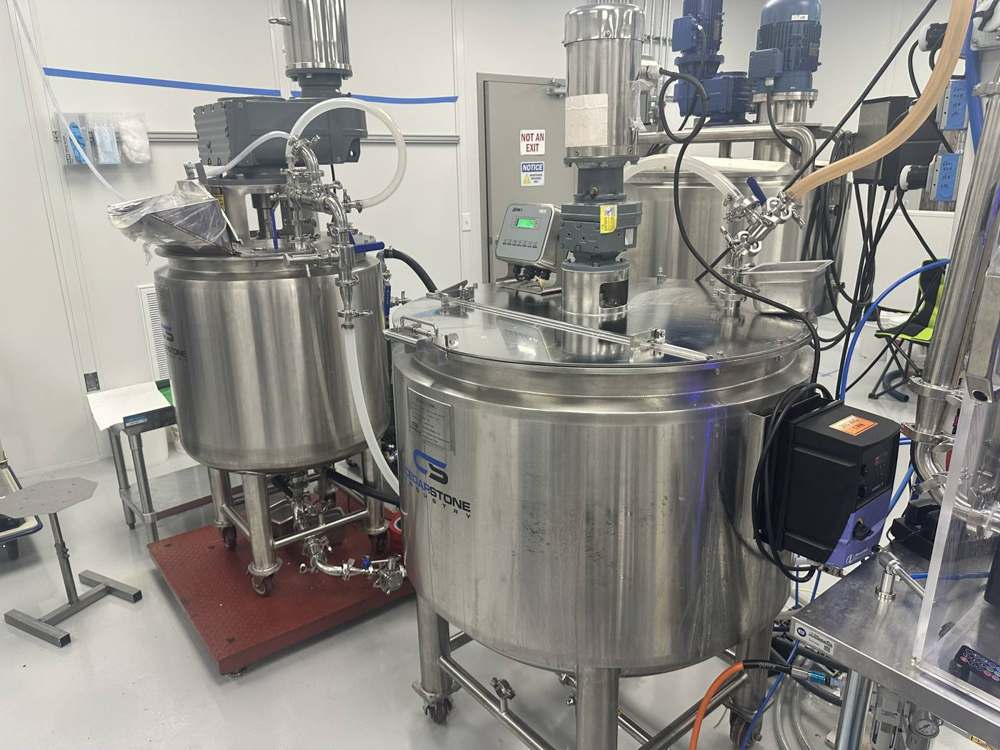
Made in our own facility. Characterised in our own lab.
Every figure tells you what it is.
A boutique nanoscience lab in Seffner, Florida, and our own production facility, serving brands globally since the lab defined TDA Logic in 2025.
Validation from a medical aesthetics educator, and coverage in trade press on how labs see the industry's development model.
Read the validation letter →Quoted in Beauty Independent →
Engaged by a global beauty brand through the NotedSource expert network →
Straight answers.
Do I need chemistry knowledge?
No. Tell us the product you want to make. The lab designs the formula.
What is free, and what costs money?
Formula design and the 8 to 14 page executive summary are free for qualifying new brands. Bench development, samples and NanoBase™ are quoted in writing before you commit.
Who owns the formula?
Your executive summary is yours to keep. The finished formula and its SOP are yours once development is paid, under our Terms.
Do you manufacture?
We make NanoBase™ in our own production facility. Your finished product can be made by any qualified contract manufacturer, and we can introduce you to one.
Is there a minimum?
No minimum to begin R&D. Production quantities and pricing are quoted per order.
What is HLB, and how is TDA Logic different?
HLB (hydrophilic-lipophilic balance) is a 1949 method for choosing emulsifiers so oil and water stay mixed in the jar. It was built for shelf stability, and it is still how most skincare is designed today. It does not specify particle size, surface charge or the domains ingredients self-partition into.
TDA Logic, the successor design logic to 1940s HLB logic, specifies all three. On NanoBase™, the Architecture engineered to TDA Logic, the emulsification is already built into the Architecture, so the structure, not an emulsifier blend, carries the formula. That is why we build only on TDA Logic.
Is nanomaterial labelling required?
The EU defines a cosmetic nanomaterial as insoluble or biopersistent, intentionally manufactured, and 1 to 100 nm in size. NanoBase™ is designed as soluble, self-assembled colloidal domains, not an insoluble or biopersistent material. Brands confirm nano status per market: your safety assessor confirms the status of your finished product, and we supply a nano-status statement under NDA.
Advanced Cosmetic Insights
Technical insights on nano-colloidal Architecture, formulation science, and cosmetic innovation.

Say Hello
Pensive Beauty Labs is a nanoscience technology partner supporting brands and companies in the development of nano-colloidal and next-generation cosmetic formulations. From NanoBase™ integration to custom nano-colloidal formula design, we help teams move beyond traditional HLB constraints with confidence.
If you are exploring nano-colloidal formulation or preparing to elevate an existing line, we welcome the conversation.
Call Client Services: 508-206-6500
International (Toll Free): 855-999-0101
Text Client Services: 508-206-6500
By texting client services you consent to receiving SMS messages
Messages and Data rates may apply. Message frequency will vary
Reply Help to get more assistance
Reply Stop to Opt-out of messaging
Email: team@pensivebeauty.com
Pensive Beauty Nanoscience Labs
2318 S Parsons Ave
Seffner, FL 33584